

Incognito Cartography
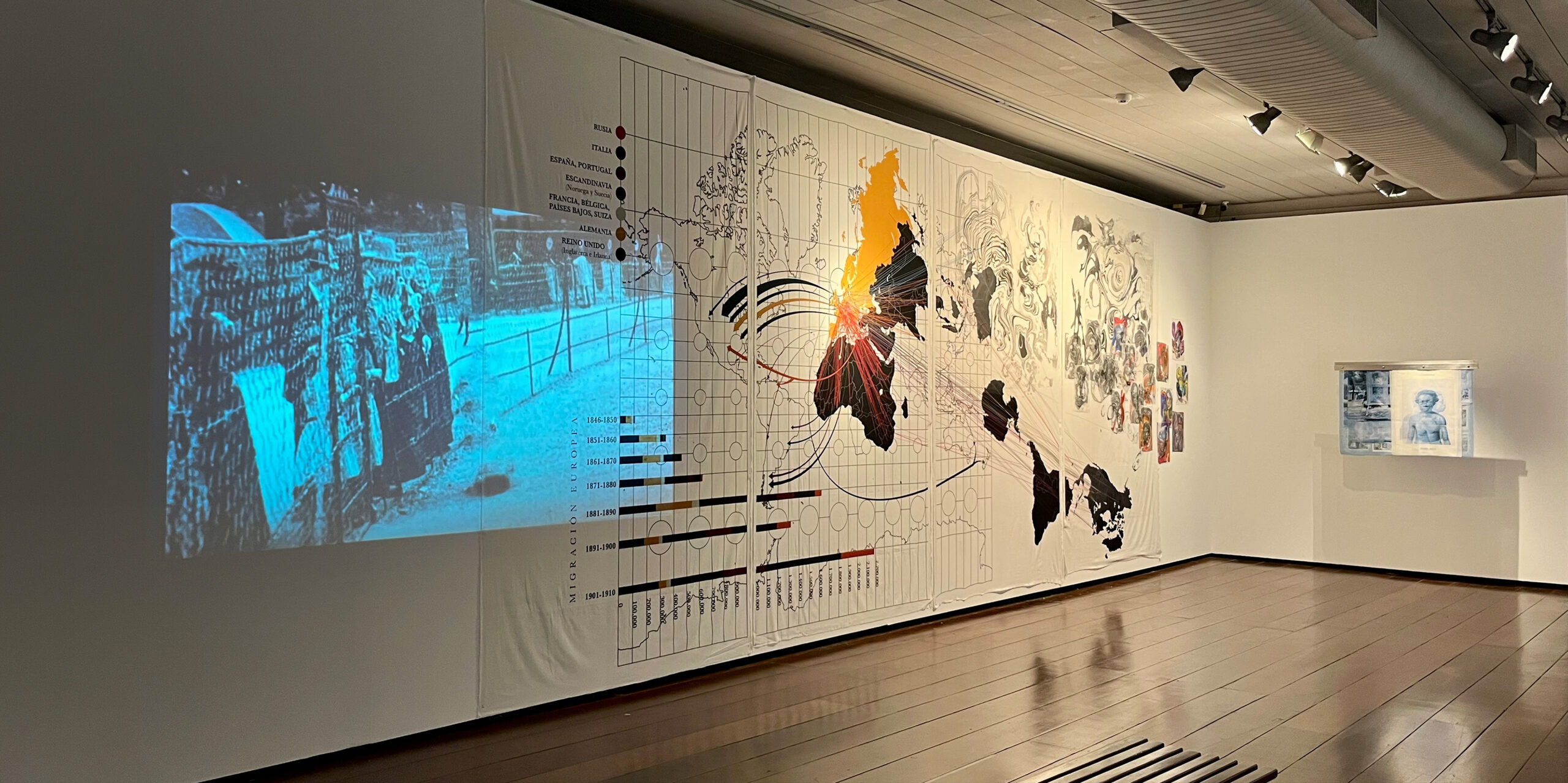
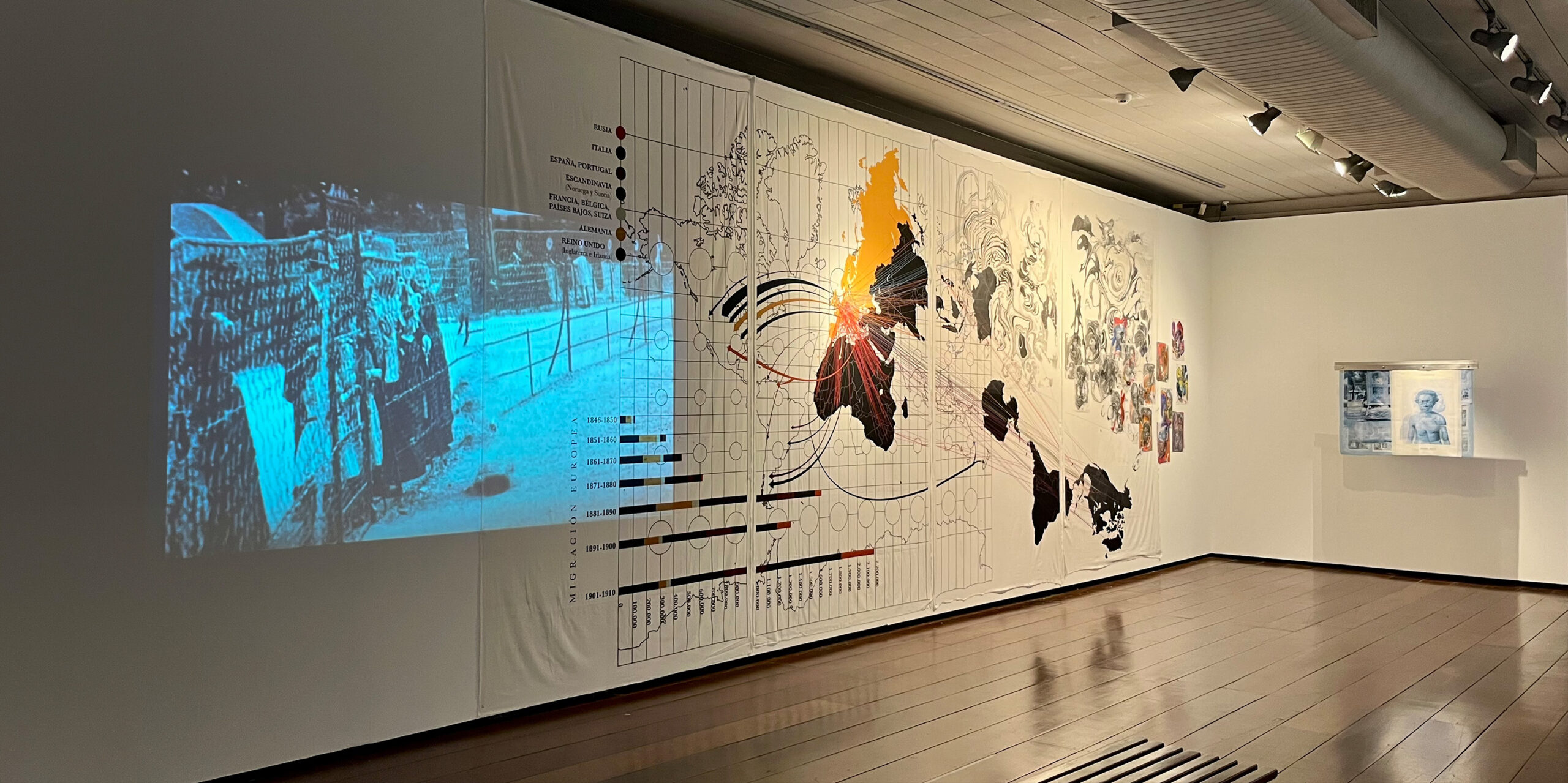
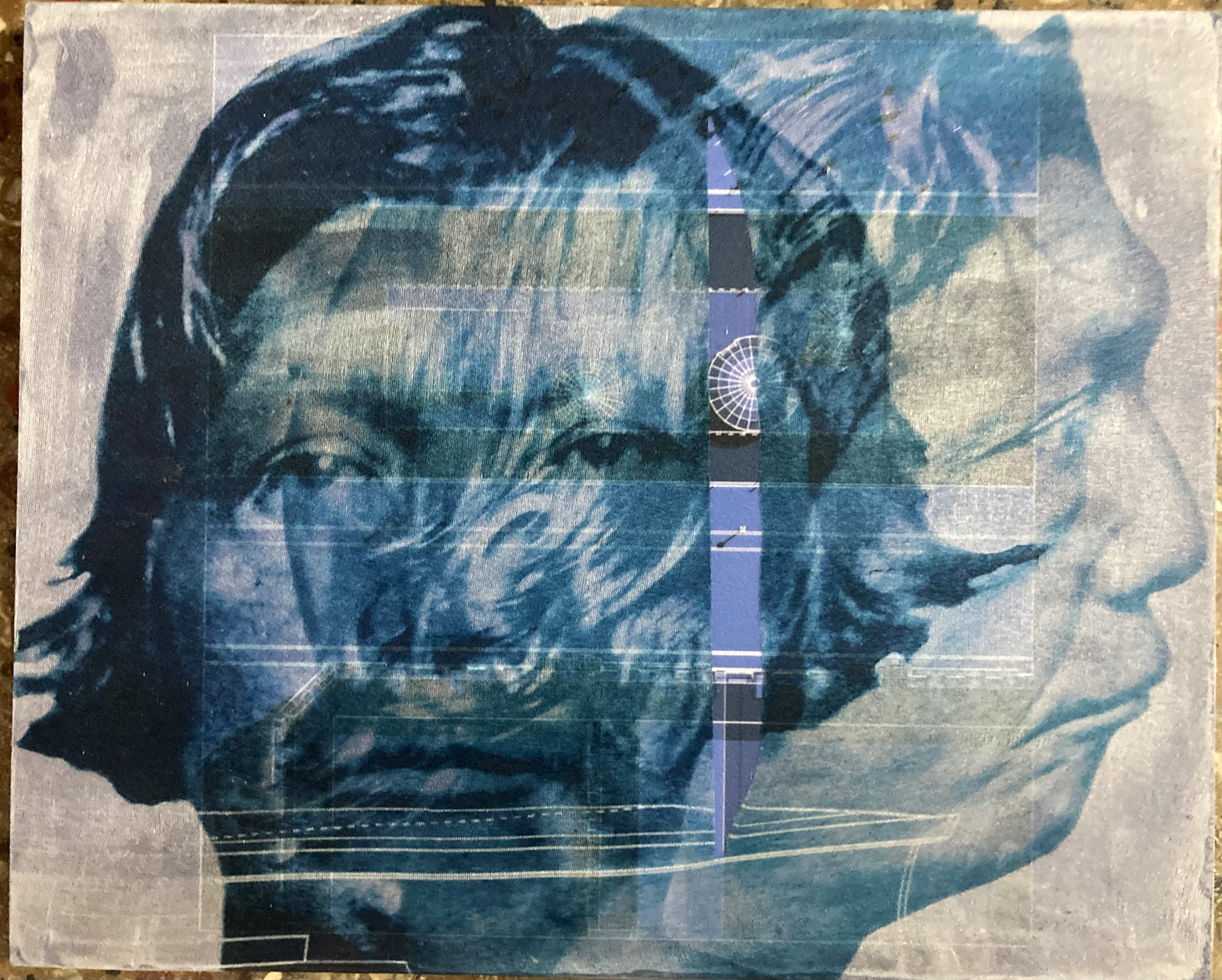
This project by Voluspa Jarpa, curated by Diana Weschler, resumes and completes a cycle initiated in the Chilean Pavilion at the Venice Biennale (2019) and continued in Cartografías disidentes at La Térmica (Málaga) within BIENALSUR 2021. In its presentation at Paço Imperial in Rio de Janeiro, the project reaches its final form as a visual and critical investigation into the colonial dispositifs that shaped imaginaries of supremacy and alterity, and into the historical layers involved in the construction of racial structures and their geopolitical, colonial, and social dimensions.
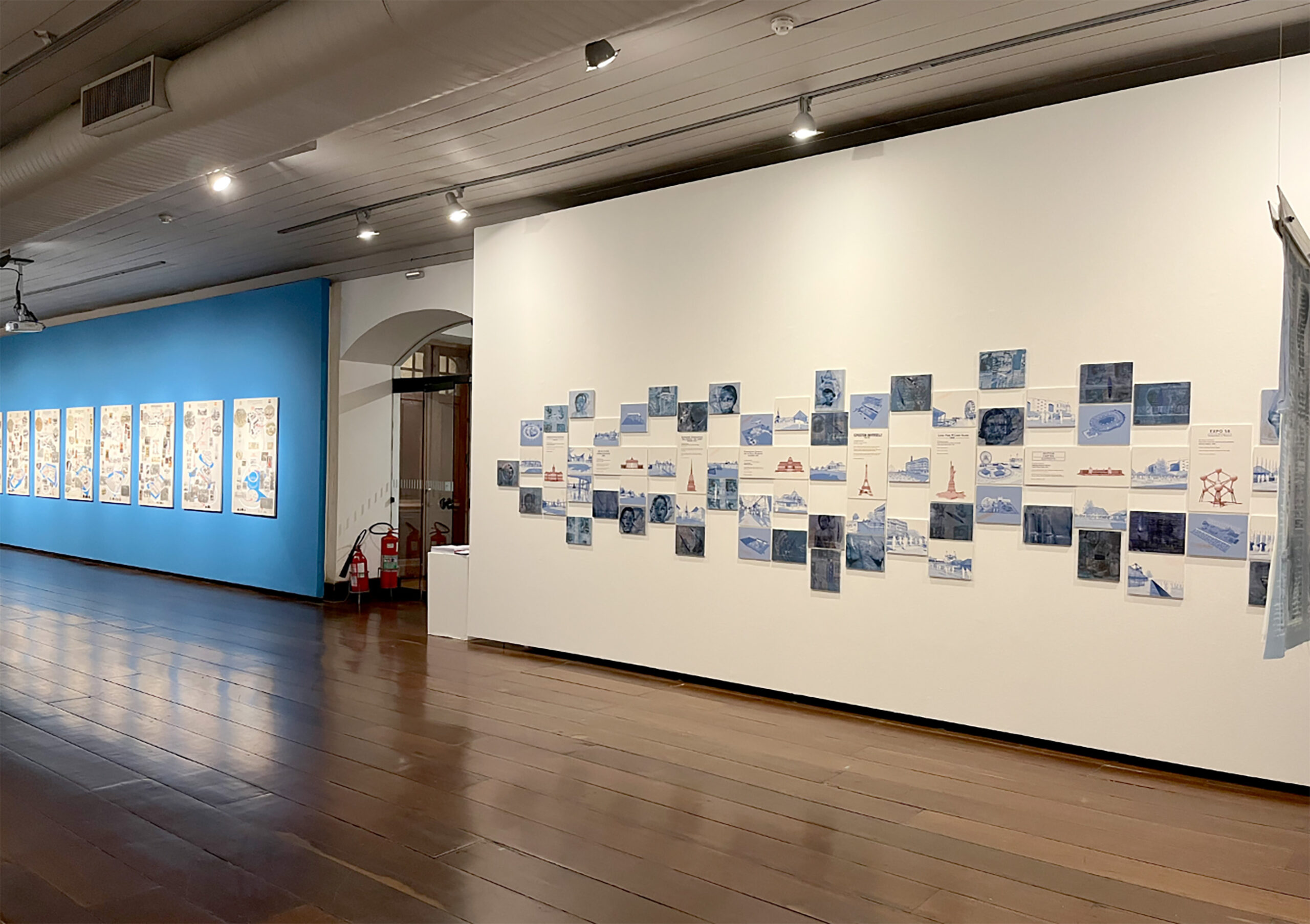
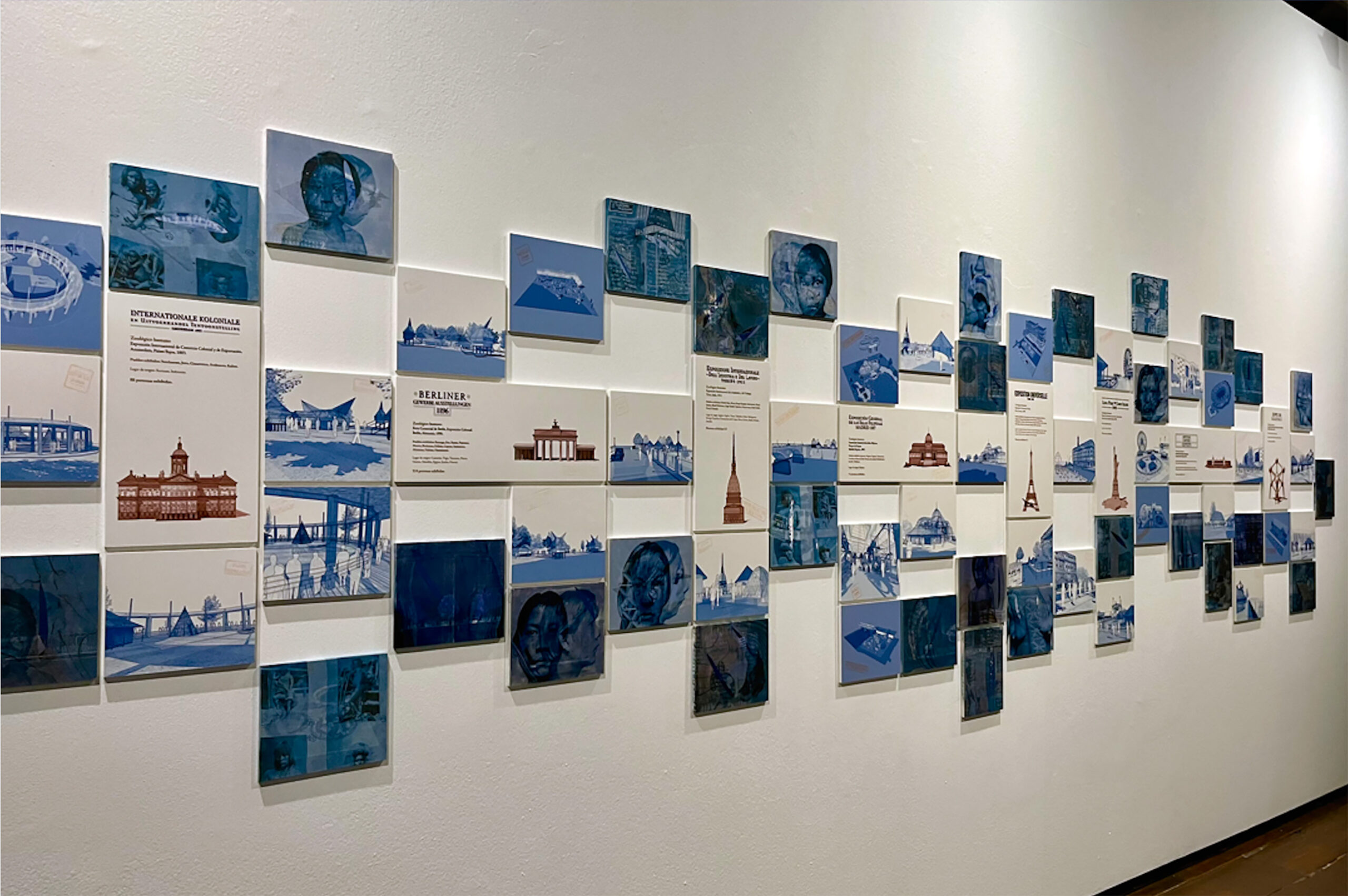
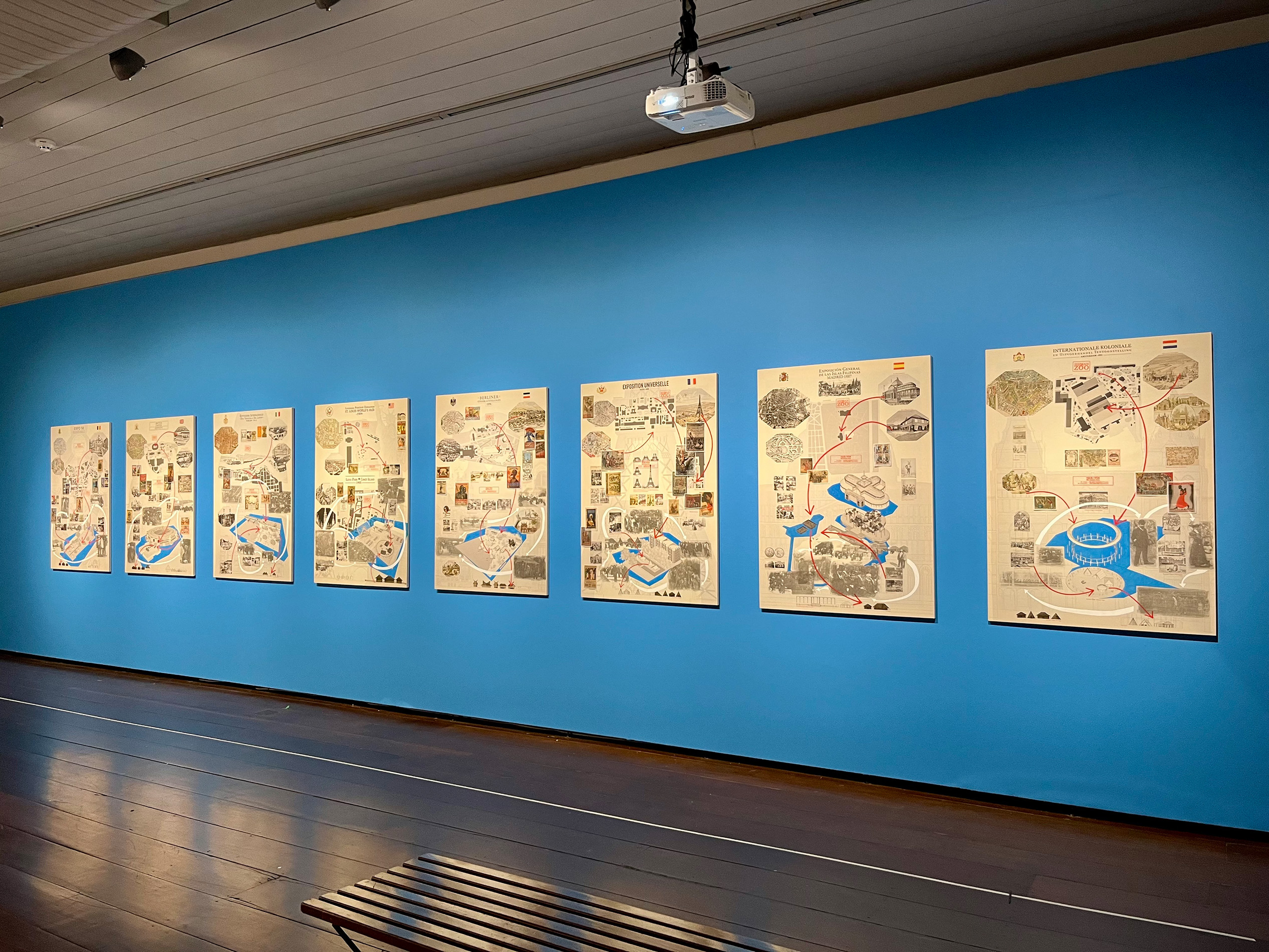
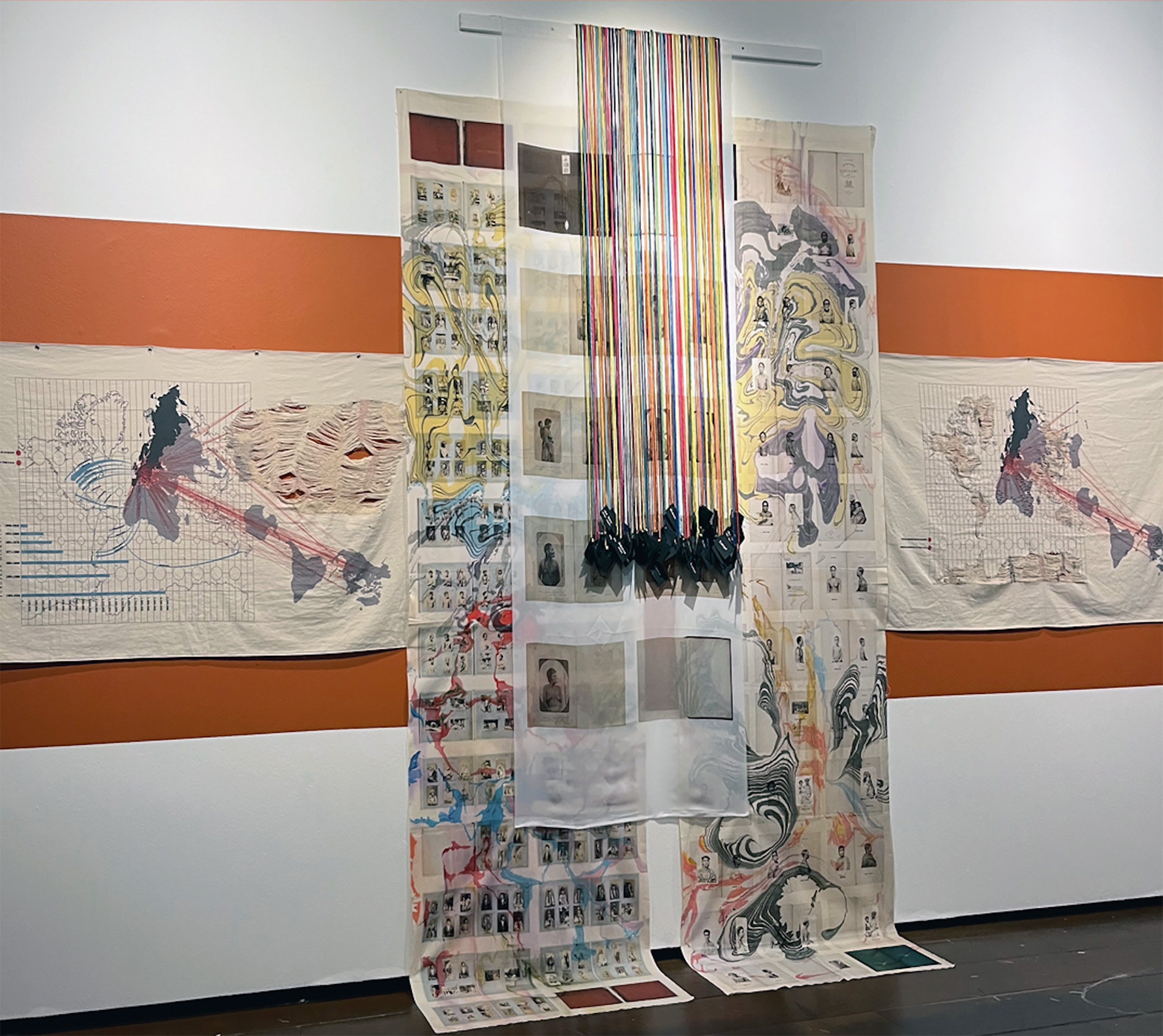
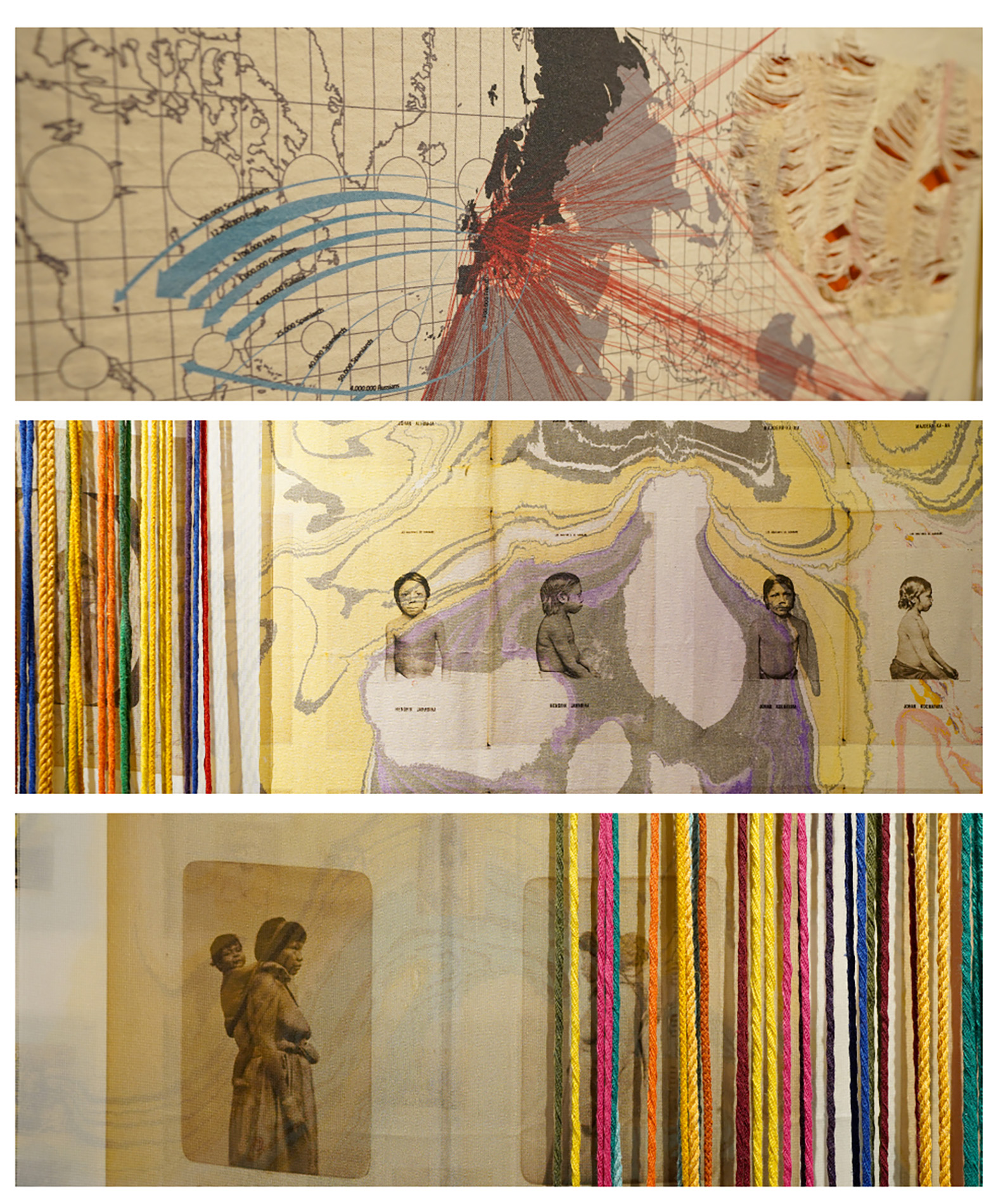
The works in Incognito Cartography are grounded in extensive archival and repository research, gathering evidence of 156 human zoos organized in 141 cities across 19 European and North American countries between 1882 and 1958. These dispositifs were part of a colonial strategy that promoted and reinforced notions of European cultural and racial superiority. More than 30,000 people from 126 peoples and territories were displayed in these “spectacles,” which over roughly 140 years attracted more than 500 million visitors, actively disseminating colonial, scientific, and cultural racism.
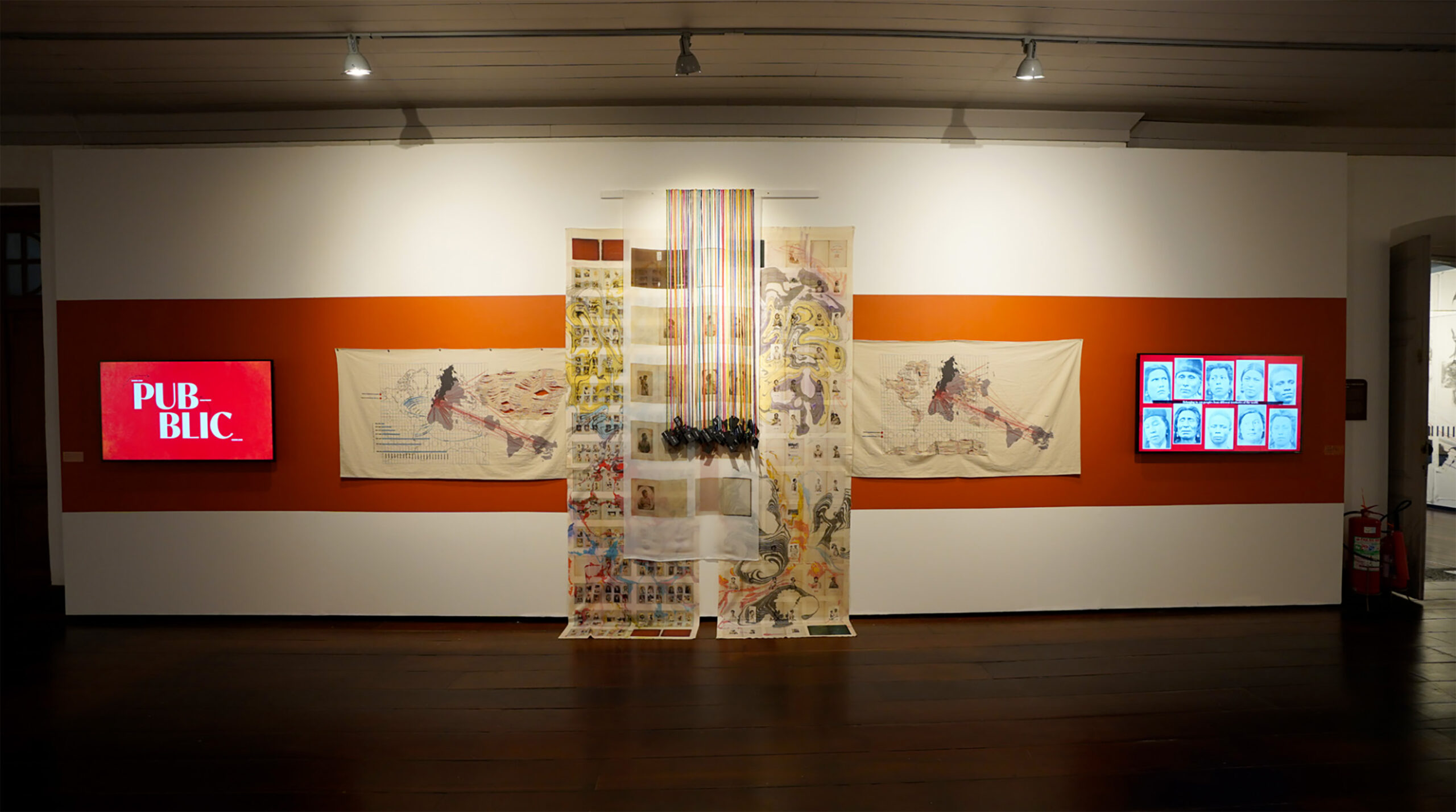
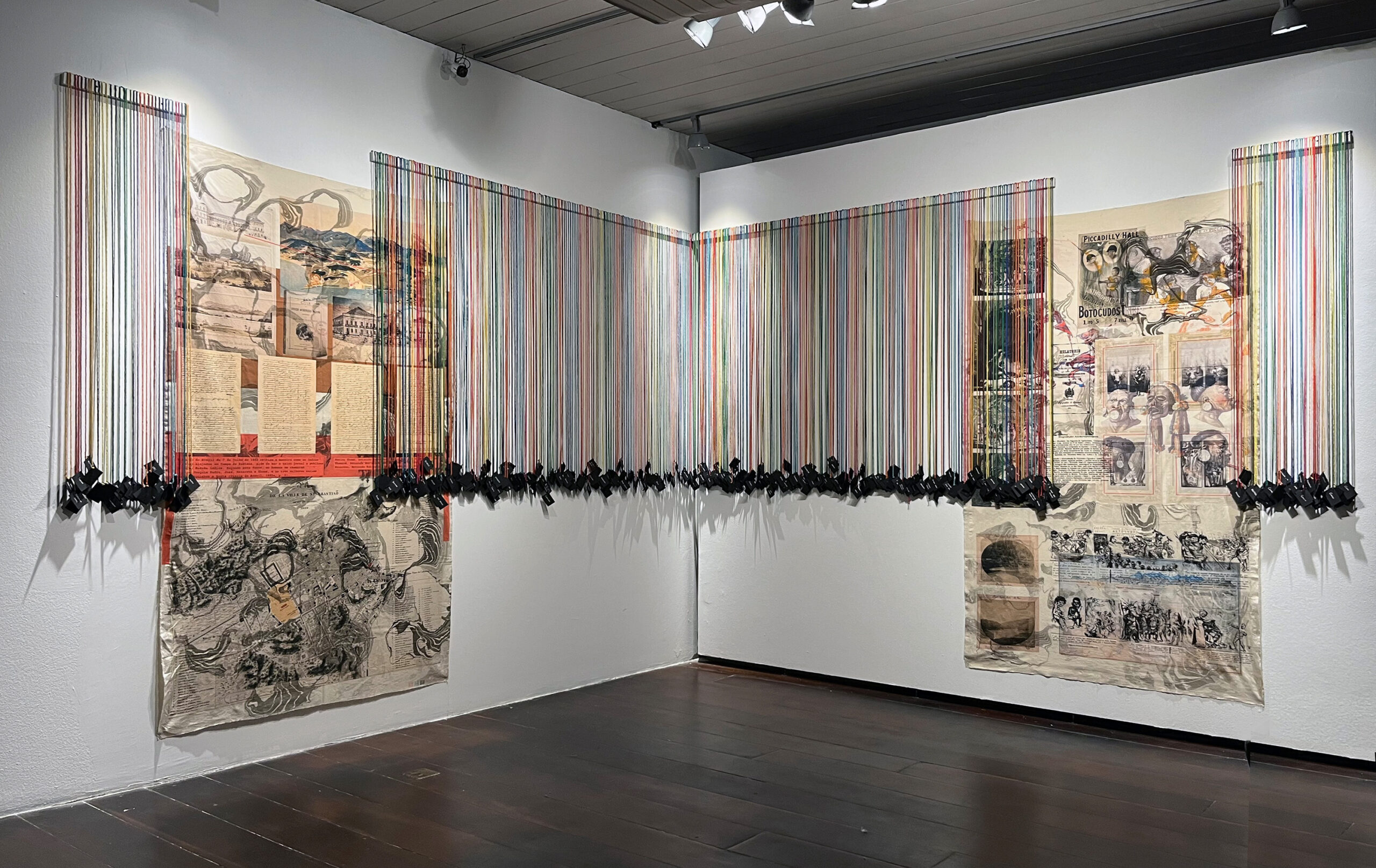
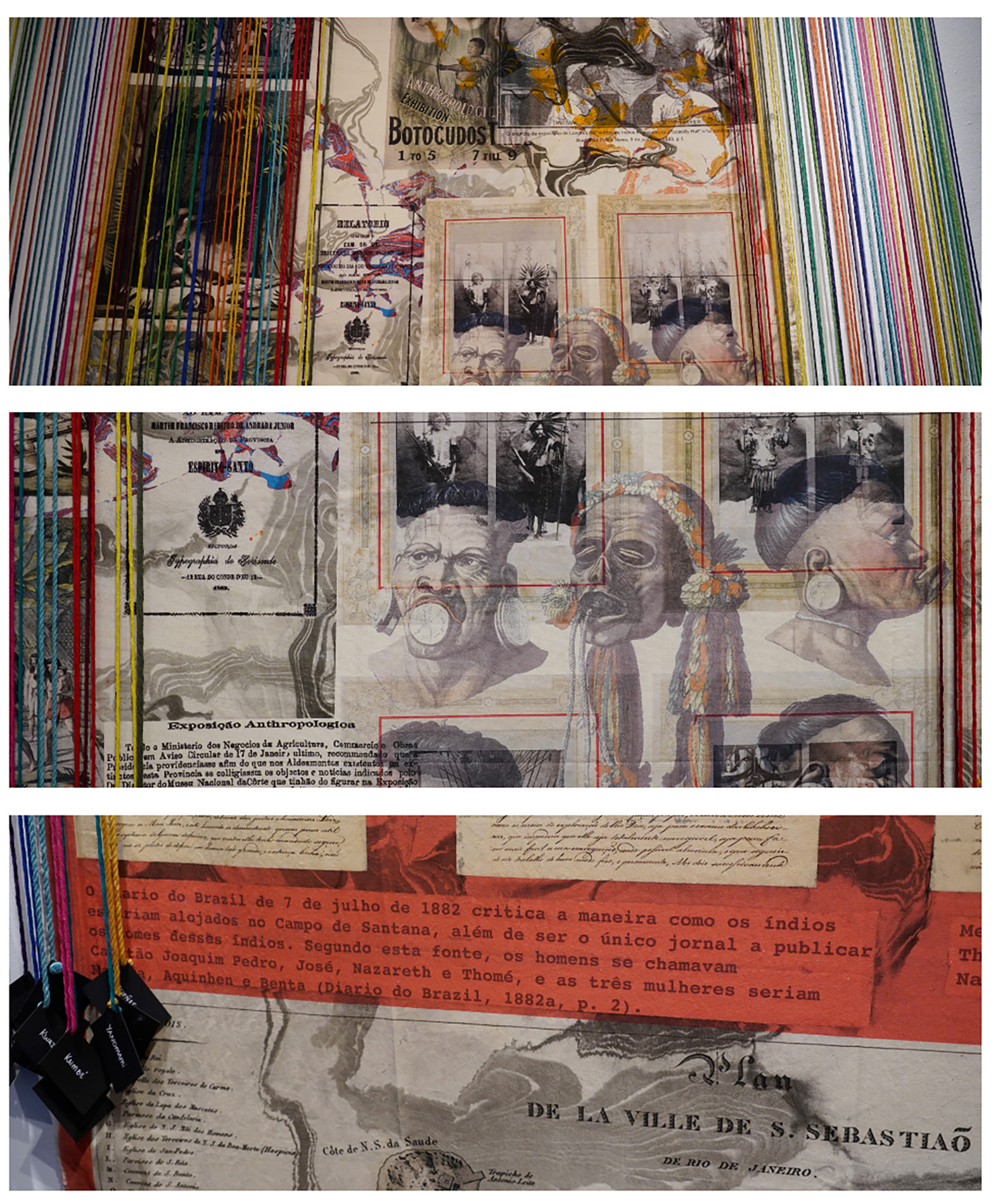
For the exhibition at Paço Imperial (RJ), the project incorporates a specific investigation into the 1882 display of Indigenous Brazilian peoples known as the “Botocudos” from the Vale do Rio Doce, staged at the National Museum of Rio de Janeiro on the occasion of Brazil’s First Anthropological Exhibition. This chapter reveals how the blurring of science and spectacle consolidated a gaze that turned ancestral cultures into “other bodies,” without agency or a voice of their own, and how that regime of visibility became naturalized within institutional and public discourse.
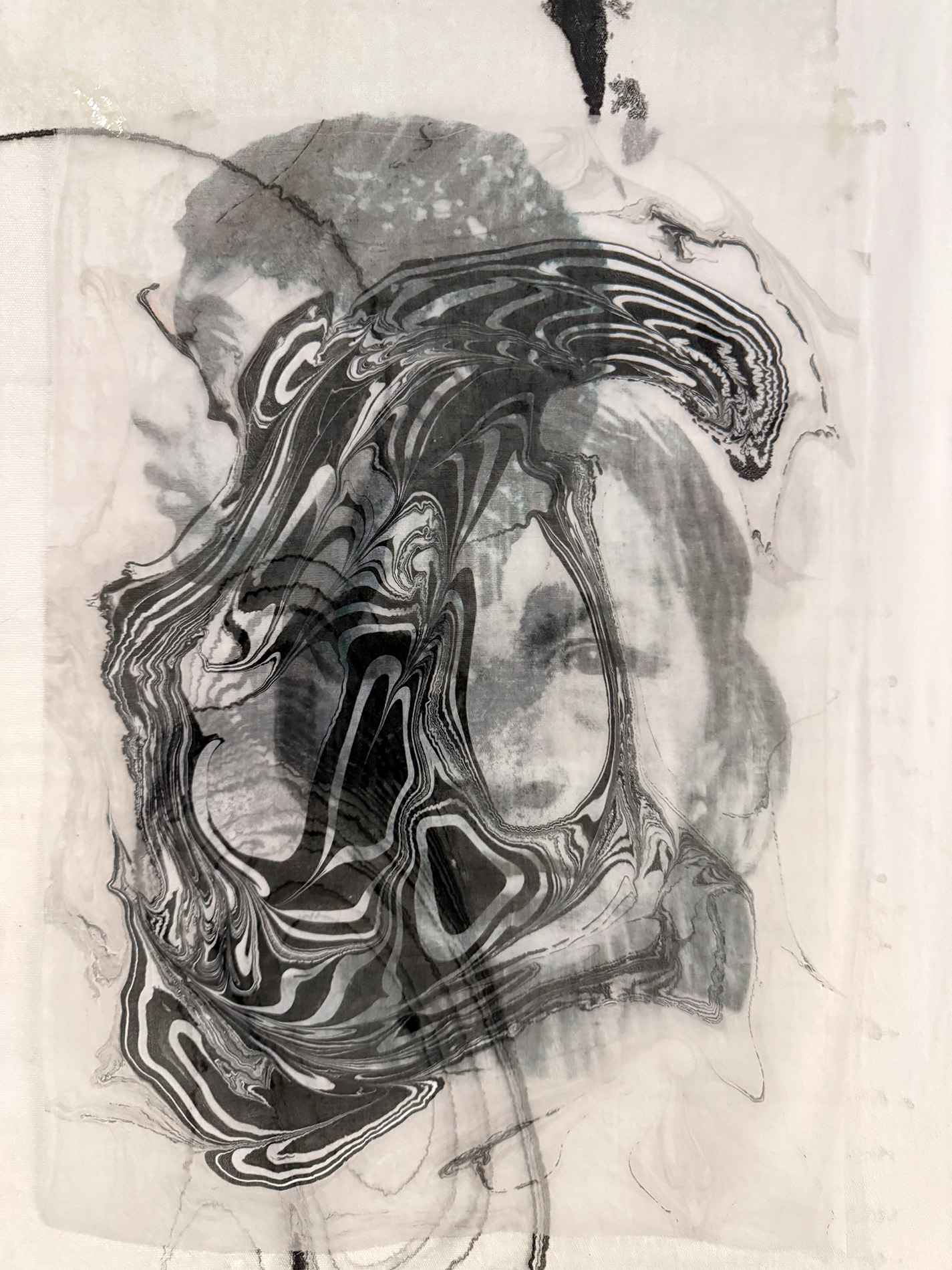
Through visual atlases, cartographies, urban posters, data records, and audiovisual works, Incognito Cartography composes a critical map in which archive, representation, and exhibition space expose the cultural architecture of modern racism and its mechanisms of public circulation.
exhibición:
Curated by: Diana Weschler
Design and production: Edmundo Browne
Photos: Voluspa Jarpa Studio
ciudad:
país:
Especificación:
- Urban Polyptych
2021 — 63 pieces: 35 laser prints on foam; 29 covered with organza textiles and acrylic inks - Atlas Series 1
2023 — Digital layered print on cotton organza - Atlas Series 2
2023 — Digital layered print on cotton organza - Zoo Sites
2001–2025 — Digital print on fabric with acrylic ink. 8 fabrics, 150 × 80 cm each - Incognito Cartography
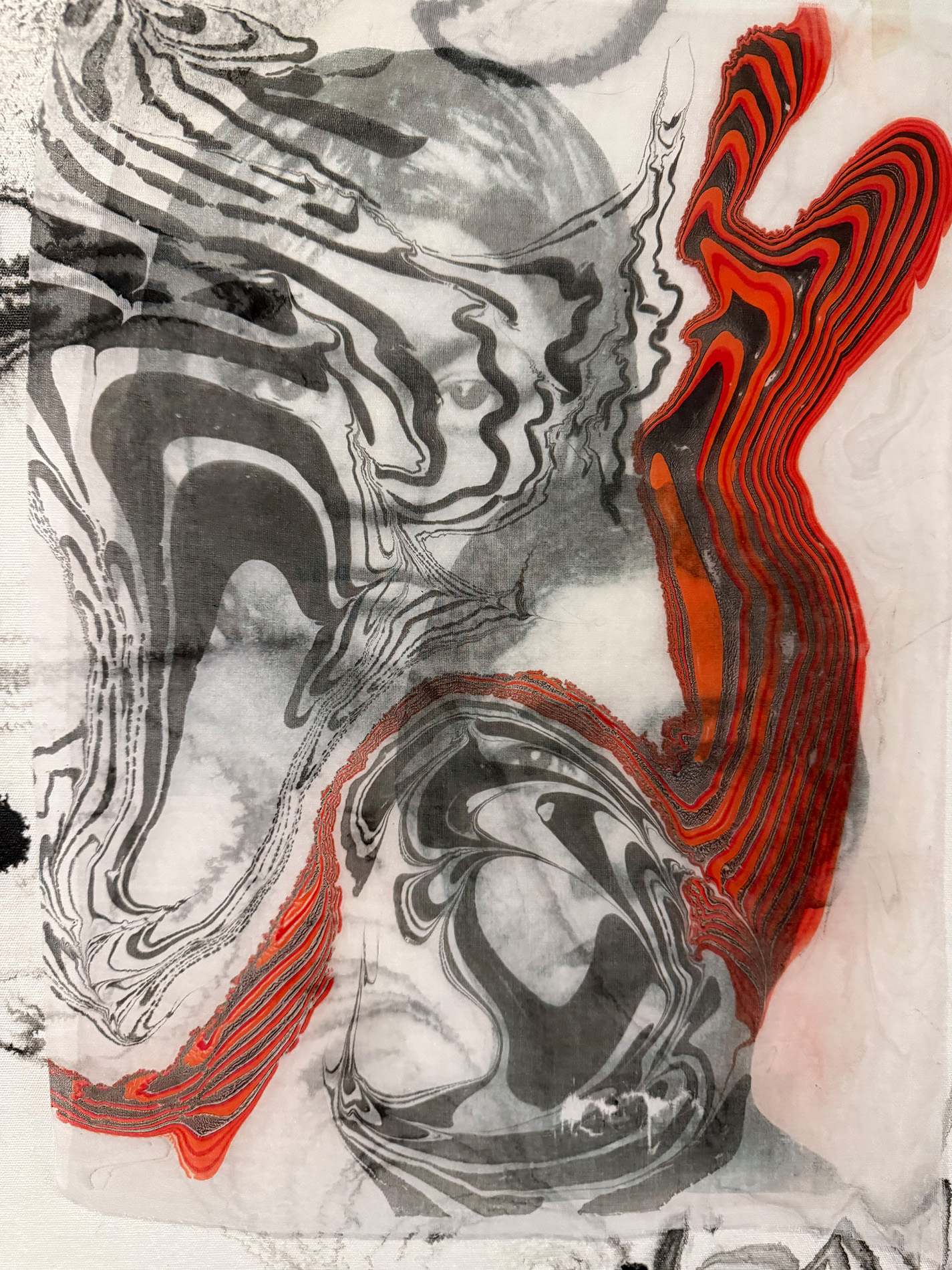
2021 — Digital print on intervened fabric; video projection (4 min 50 s); 4 organza fabrics with suminagashi. Fabric: 900 × 400 cm; Projection: 120 × 180 cm - Incognito Cartography: Exhibited
2023 — Multimedia installation: video, print, and textile interventions - Incognito Cartography: Public
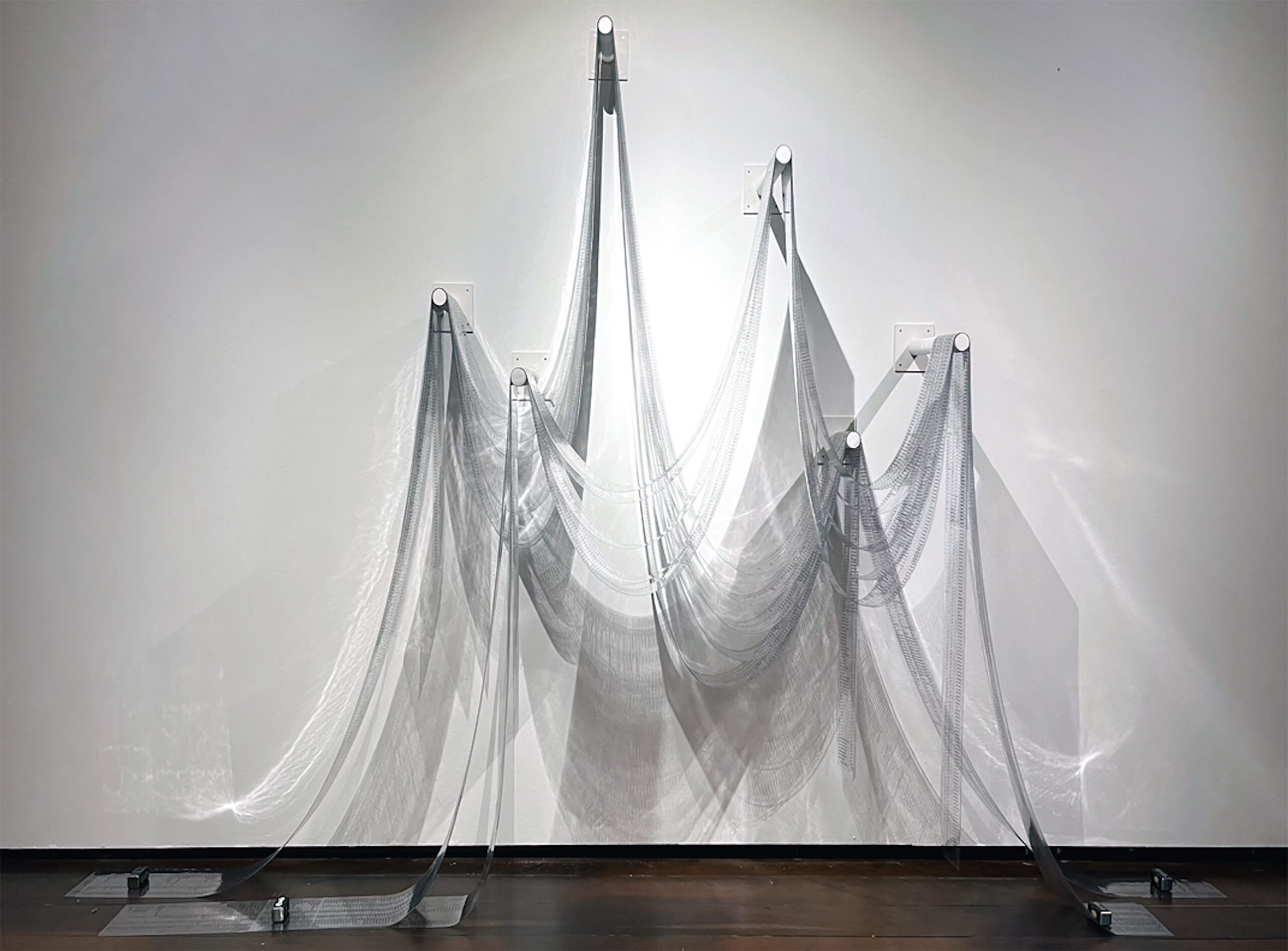
2023 — Multimedia installation: video, print, and textile interventions - Zoo List
2023 — Print on transparent PVC - Río Zoo
2025 — Digital print, intervention and paint on textile. 2 fabrics, 230 × 150 cm each, with colored threads and labels